Be Wild, Slow Down
How Ted Kooser Encourages Us to Reflect in a Society Obsessed with "The Hustle"

Local Wonders, by Ted Kooser
Snippet from page 16-17
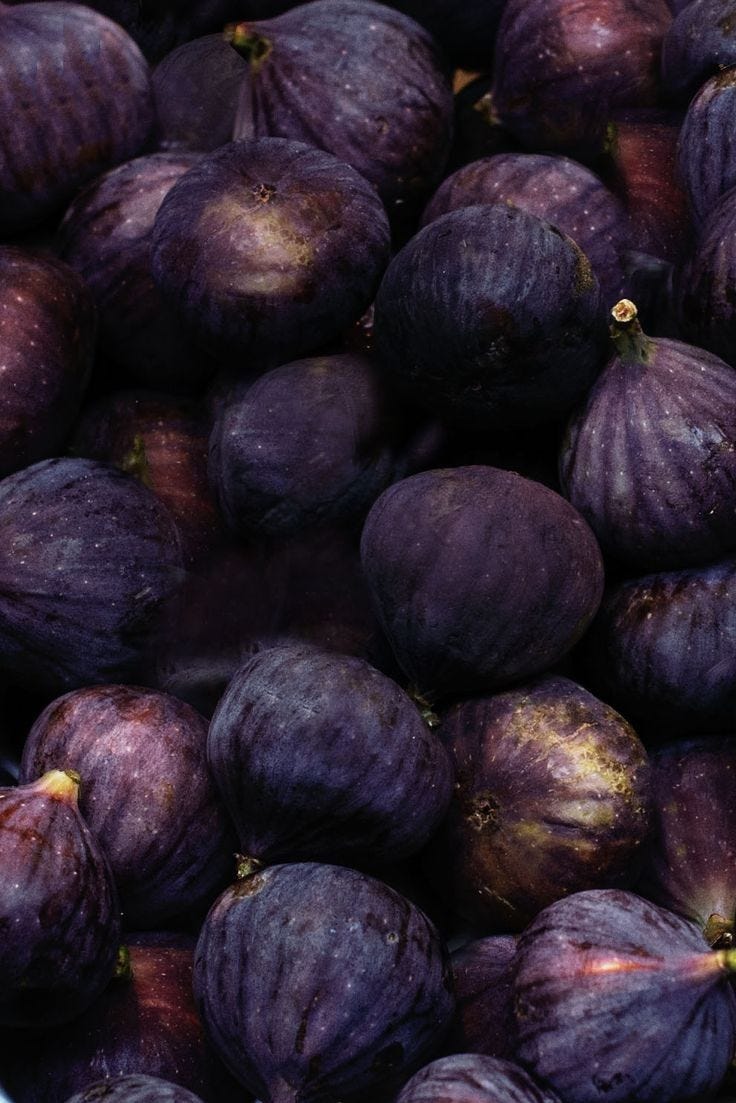
“The color of the fruit when ripe is sometimes red, sometimes reddish orange, and sometimes the same warm red-into-violet that the thickets turn in midwinter, as if each frozen branch were a long tube storing up color for summer. To the glassy blue of a winter sky, to the black fields, to the smokey gray-brown stands of trees along the creeks, to the white scraps of snowdrifts lying in the furrows, to the gold of grasses and weeds, the plum thickets add their own primary color, a deep burgundy like nothing else on the plains. You could squeeze out only those six hues on a palate and it would immediately look like winter in Nebraska.
Unfortunately, the road maintenance crews don’t like plum thickets. They contend that the bushes cause snow to drift onto the roads, and in a number of countries, there is a routine of spraying the plums with herbicides. My home territory, Seward County, persists in this idiocy, which makes the road crews feel better but does little good against the snow drifts, since the dead thicket remains to catch the wind just as if it were alive. I once asked a county official why these crews didn’t just cut the thickets down, and he said, “Our men are too old to be climbing up and down in those ditches.” But the plums, thriving on the red sap of their wildness, survive even the government. Plums are too wild for their herbicides for their Roundup and Tordon and 24D, too wild for their sour spit and their curses, for the subzero Januaries, the grass fires of spring, the kilnlike days of mid-August.
Wild Plum, wild Prunus americana, member of the rose family, more fragrant than roses. Prunus from prounos, an ancient Greek name for the plum. And the heady perfume of the wild plum in blossom, drifting through an open window to braid itself softly about us, all wildness itself- how it carries us back even further, to a time before history, to a place through which we grope our way, longing for something we cannot quite define, waving a peeled and painted wand with a packet of tobacco tied to its end. Oh, dear fragrance on the swollen river of spring, sweet wistfulness turning and turning on the speeding black current.” (Kooser, 2013)
~
Ted Kooser focuses on the longevity of plums lining the countryside of rural Nebraska, a plant with an evergreen everlasting. He writes with such elegant observations, noting the watercolor hues and characteristics of its nature. What fascinated me while reading this snippet was how much intentionality was within the lines. Something as simple (and in Seward county’s case, annoying,) as plums could be so intricate. He romanticizes a plant that is often labeled a nuisance for its wildness. Despite the pesticides and their effort to poison the fruit, it remains wild and untethered. It felt a lot like a metaphor for women, the increasing effort to tame them. To control their wildness into submission, yet they persist. In a grey society dominated by the patriarchal idea for men to maintain leadership positions, women fight for the right to choose their own destiny. To claim their wildness, to grow out their leg hair and carry tampons proudly instead of hiding them in pockets. To say “fuck you” to this idea of being ladylike, to keep sweet and obey.
There are so many segments in which I could feast on for days, the juicy imagery leaking from the page and into my heart. Who knew that a page filled with only black and white words could be so damn colorful. I could smell the perfume of the blossoming plum, how Kooser describes it as braiding itself through an open window. The sweet fragrance on the “swollen river of spring,” the musical tenderness that the plum brings to the countryside. A melody, a watercolor contrast against the grey-blue-brown countryside of Nebraska winters. The way that Kooser describes hues and colors is so magical, the way they dance around the pages and stimulate your imagination. The colors he describes are so vivid and wild, it makes me able to almost touch the branches, scoop up the snow in my palms, crunch the dead leaves beneath my feet, feel the red guts of the plum ooze between my teeth. I can imagine squinting my eyes and seeing the colors blur together like an oil painting, a Normal Rockwell masterpiece. Everything about his writing is so romantic.
He teaches the important lesson of slowing down and letting the earth show us things we would’ve missed. Our culture today is so centered around the “hustle,” being successful and never being satisfied until we have reached peak. We also take in overwhelming amounts of media and news, which is not how humanity was intended. Our ancestors only heard news from the surrounding areas by means of telegram, word of mouth, or letters. They didn’t hear about world news until weeks, or even months later! Our simple, shallow brains were never intended to have such quick and vast amounts of information at our fingertips. It makes us incredibly desensitized and often bored if something is not immediately stimulating. Kooser’s writing pulls us back to reality, encouraging us to touch grass. This book made me realize that my parents were, in fact, correct. It really is “that damn phone.” When you actually take an extra few minutes to observe a place, you will discover that the world is a lot larger than yourself. Entire societies of ants and ecosystems of roly-polies underneath the rocks in your driveway, veins of leaves with bite marks from hungry caterpillars, a beer can thrown in the ditch, now home to a slug. Kooser uses unique stylistic choices within his entire book, noting the importance of something so simple, such as a whisper, a murmur, an echo. This collection is particularly important during this day and age, where people are so used to instant gratification and tend to overlook the mundane. It teaches us the importance of gratitude, of recognizes the gifts outside the limits of a capitalistic society. Next time someone groans, “Nebraska is so flat and boring,” I am going to hand them this book and demand that they take ten minutes to discover their own plum thicket, or snow bank, or pile of auburn leaves.
~
Kooser, T. (2013). Local wonders. Blackstone Audio, Inc.